The Art of Modern Calligraphy
Introduction
Modern calligraphy is a living, breathing art form that bridges centuries of tradition with contemporary creative expression. In the heart of Puebla, where colonial architecture meets vibrant street art, calligraphy has found a unique voice that speaks to both the past and the present.
When people think of calligraphy, they often imagine monks hunched over parchment in medieval scriptoria. While that image holds truth, modern calligraphy has evolved far beyond those ancient walls. Today, calligraphers blend classical techniques with personal style, creating works that are at once timeless and unmistakably contemporary.
A Brief History of Calligraphy
Ancient Origins
The word “calligraphy” comes from the Greek words kallos (beauty) and graphein (to write). The practice of beautiful writing dates back thousands of years, with early examples found in Chinese oracle bone inscriptions from around 1200 BCE, Arabic scripts that adorned mosques and manuscripts, and the Roman capitalis monumentalis carved into stone pillars.
Each civilization developed its own approach to the written word as art:
- Chinese calligraphy emphasized the flow of energy (qi) through brush strokes
- Arabic calligraphy became central to Islamic art, creating intricate geometric compositions
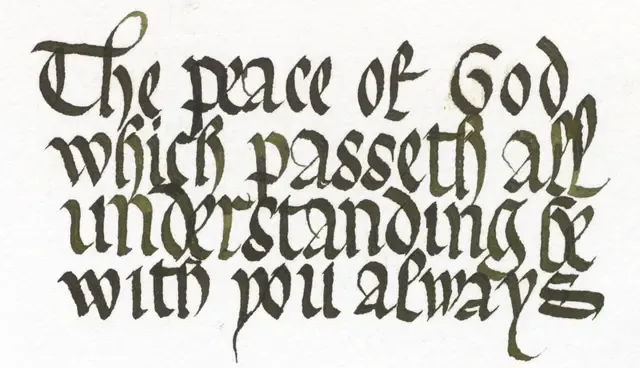
- Western calligraphy evolved through Roman, Carolingian, Gothic, and Renaissance hands
The Evolution Through the Centuries
The Middle Ages saw calligraphy reach extraordinary heights in European monasteries. Illuminated manuscripts like the Book of Kells demonstrated the pinnacle of the scribe’s art. The Renaissance brought humanist scripts, and the invention of the printing press by Gutenberg in the 15th century changed everything.
“The printing press did not kill calligraphy—it freed it. No longer bound by the necessity of reproducing texts, calligraphers could focus on the pure artistry of the written word.”
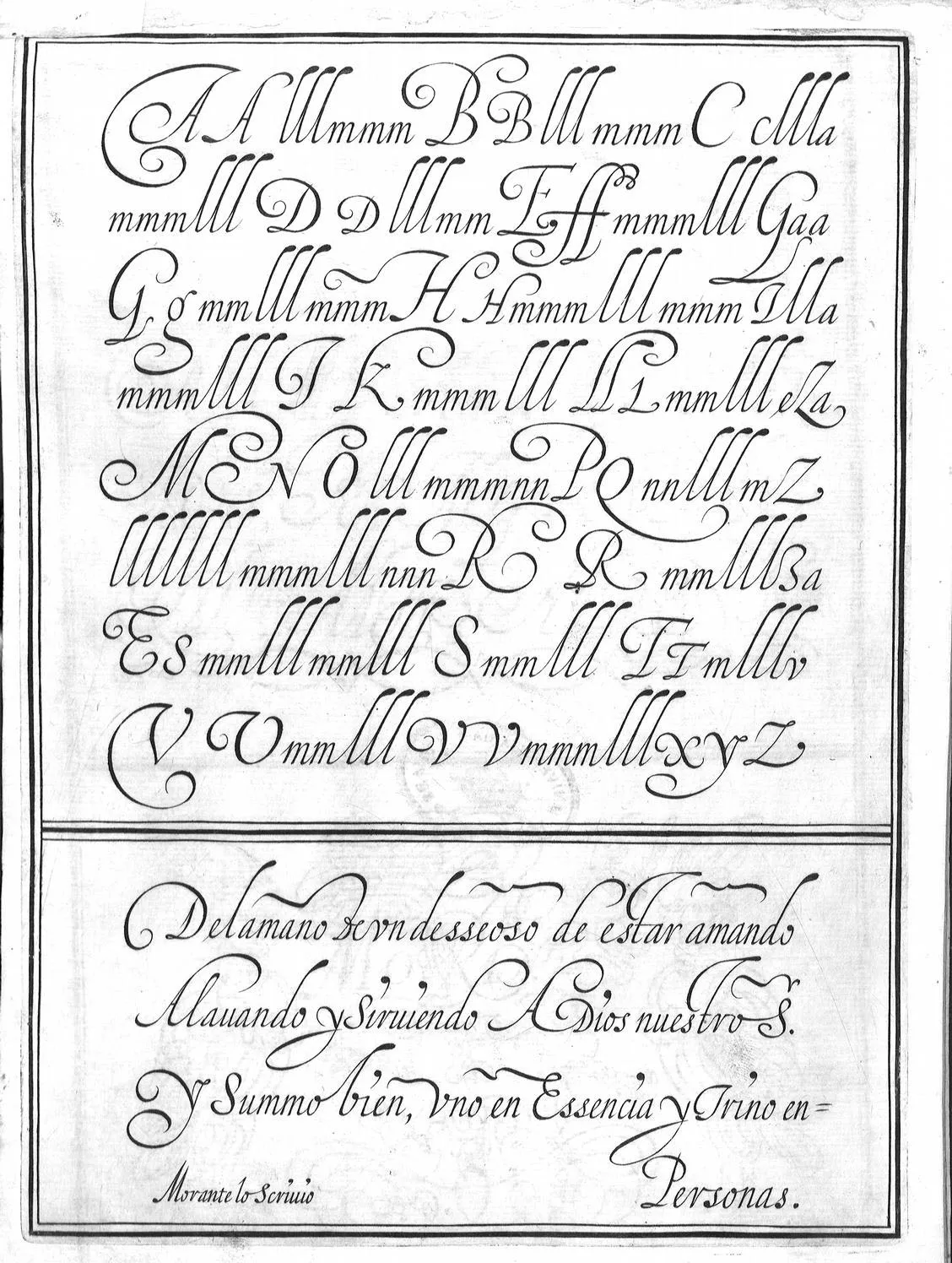
The 18th and 19th centuries saw the rise of copperplate and Spencerian scripts, elegant hands that became the standard for formal correspondence. These styles, with their delicate hairlines and dramatic swells, remain foundational to modern calligraphy practice.
What Makes Modern Calligraphy Different
Breaking the Rules
Modern calligraphy is characterized by its willingness to bend and break traditional rules. While classical calligraphy demands strict adherence to specific letterforms, angles, and proportions, modern calligraphers embrace:
- Variable letterforms that prioritize expression over uniformity
- Mixed media incorporating watercolor, ink, gold leaf, and digital elements
- Personal style that makes each calligrapher’s work instantly recognizable
- Experimental compositions that treat words as visual art
Tools of the Trade
The modern calligrapher’s toolkit is wonderfully diverse. Here in my Puebla studio, I work with a range of instruments depending on the project:
- Pointed pen nibs — The workhorse of modern calligraphy, allowing for dramatic thick-and-thin contrast
- Brush pens — Portable and versatile, perfect for lettering on the go
- Dip pens with oblique holders — Essential for achieving the proper angle in copperplate and Spencerian styles
- Flat brushes — For broad-edge calligraphy in historical hands like Uncial or Blackletter
- Digital tablets — Increasingly important for commercial work and design integration
Getting Started with Modern Calligraphy
Essential Supplies for Beginners
If you’re drawn to the art of modern calligraphy, starting is easier than you might think. You don’t need an expensive setup to begin your journey:
- A straight or oblique pen holder
- A few beginner-friendly nibs (the Nikko G is an excellent starting point)
- Black sumi ink or walnut ink
- Smooth, coated practice paper
- A ruler and pencil for guidelines
Fundamental Techniques
The Basic Strokes
All of calligraphy boils down to a handful of basic strokes. Master these, and you can construct any letterform:
- Downstroke — Apply pressure as you pull the pen downward, creating a thick line
- Upstroke — Release pressure as you push upward, creating a hairline
- Entrance stroke — A light upward curve that begins many lowercase letters
- Overturn — An upstroke followed by a downstroke, forming an arch
- Underturn — A downstroke followed by an upstroke, forming a valley
- Compound curve — A combination of overturn and underturn
Practice these strokes repeatedly until they become muscle memory. I tell every student who walks into my workshop in Puebla: the strokes are your alphabet. Letters are simply combinations of strokes.
Building Letterforms
Once the basic strokes feel natural, begin combining them into letters. Start with lowercase letters, as they appear most frequently in written text. Work through groups of similar letters:
- i, u, w, t — Built primarily from compound curves
- n, m, h, b, p, r — Built from overturns and downstrokes
- a, c, e, o, d, g, q — Built from underturns and oval shapes
Calligraphy in the Digital Age
The Surprising Renaissance
It might seem paradoxical, but the digital age has sparked a genuine renaissance in calligraphy. Social media platforms have created global communities of calligraphers who share techniques, inspire each other, and reach audiences that would have been unimaginable to the masters of the past.
In Puebla, I’ve witnessed this transformation firsthand. Students discover calligraphy through Instagram or Pinterest, then seek out in-person workshops to deepen their practice. The digital and physical worlds complement each other beautifully.
Commercial Applications
Modern calligraphy has found its way into numerous commercial contexts:
- Wedding invitations — Perhaps the most visible application, where hand-lettered envelopes and menus add elegance
- Brand identity — Companies seek calligraphic logos for their warmth and authenticity
- Packaging design — Artisanal products benefit from hand-lettered labels
- Editorial design — Magazines and books incorporate calligraphic elements for visual impact
- Murals and installations — Large-scale calligraphic art in public and private spaces
The Puebla Connection
A City of Artisans
Puebla has long been a center of artisanal excellence. From the famous Talavera pottery to the intricate papel picado that adorns the streets during festivals, this city understands the value of handmade beauty. Calligraphy fits naturally into this ecosystem of craft.
The colonial center of Puebla, with its ornate churches and baroque facades, provides daily inspiration. The lettering found on historic buildings—some dating back to the 16th century—offers a masterclass in the relationship between text and architecture.
Local Workshops and Community
The calligraphy community in Puebla continues to grow. Monthly meetups at cafés in the historic center bring together beginners and professionals. Seasonal workshops cover everything from basic pointed pen techniques to advanced flourished compositions.
“Every stroke of the pen connects us to a lineage of writers and artists stretching back millennia. When you practice calligraphy in Puebla, you join a tradition that has shaped human civilization.”
Tips for Developing Your Style
Study the Masters
Before you can develop a personal style, you need to understand what came before. Study historical manuscripts, examine the work of contemporary calligraphers, and analyze what draws you to certain pieces.
Keep a visual journal of calligraphic work that inspires you. Note what specifically appeals to you—is it the rhythm of the letterforms, the color palette, the composition, or the emotional quality?
Practice with Intention
Mindless repetition won’t develop your skills. Practice with specific goals:
- Focus on consistent slant angles
- Work on even spacing between letters and words
- Experiment with different ink viscosities
- Try writing at different speeds
Embrace Imperfection
One of the beauties of modern calligraphy is that it welcomes the human touch. Slight variations, ink splatters, and unexpected textures add character and authenticity. Don’t strive for machine-like precision—strive for expressive beauty.
Conclusion
Modern calligraphy is more than a hobby or a decorative skill. It is a meditative practice, a connection to human history, and a form of personal expression that remains deeply relevant in our digital world. Whether you’re drawn to the discipline of classical hands or the freedom of contemporary lettering, there is a place for you in this vibrant art form.
Here in Puebla, surrounded by centuries of artistic tradition, I am constantly reminded that calligraphy is not about perfection—it is about presence. Each stroke of the pen is a moment of focused attention, a small act of beauty in a busy world. Pick up a pen, dip it in ink, and begin your own journey into the art of modern calligraphy.